Free Columbia
Example Curriculum of the M.C. Richards Program
Each year the curriculum of the M.C. Richards Program is unique. Below is the curriculum for the 2021-22 cohort.
The Main Morning Courses
Explorations of place and history through impressionistic approaches to visual art
with Nathaniel Williams, Erin Corrigan and Stefan Ambrose
(August 23-Septmeber 10)
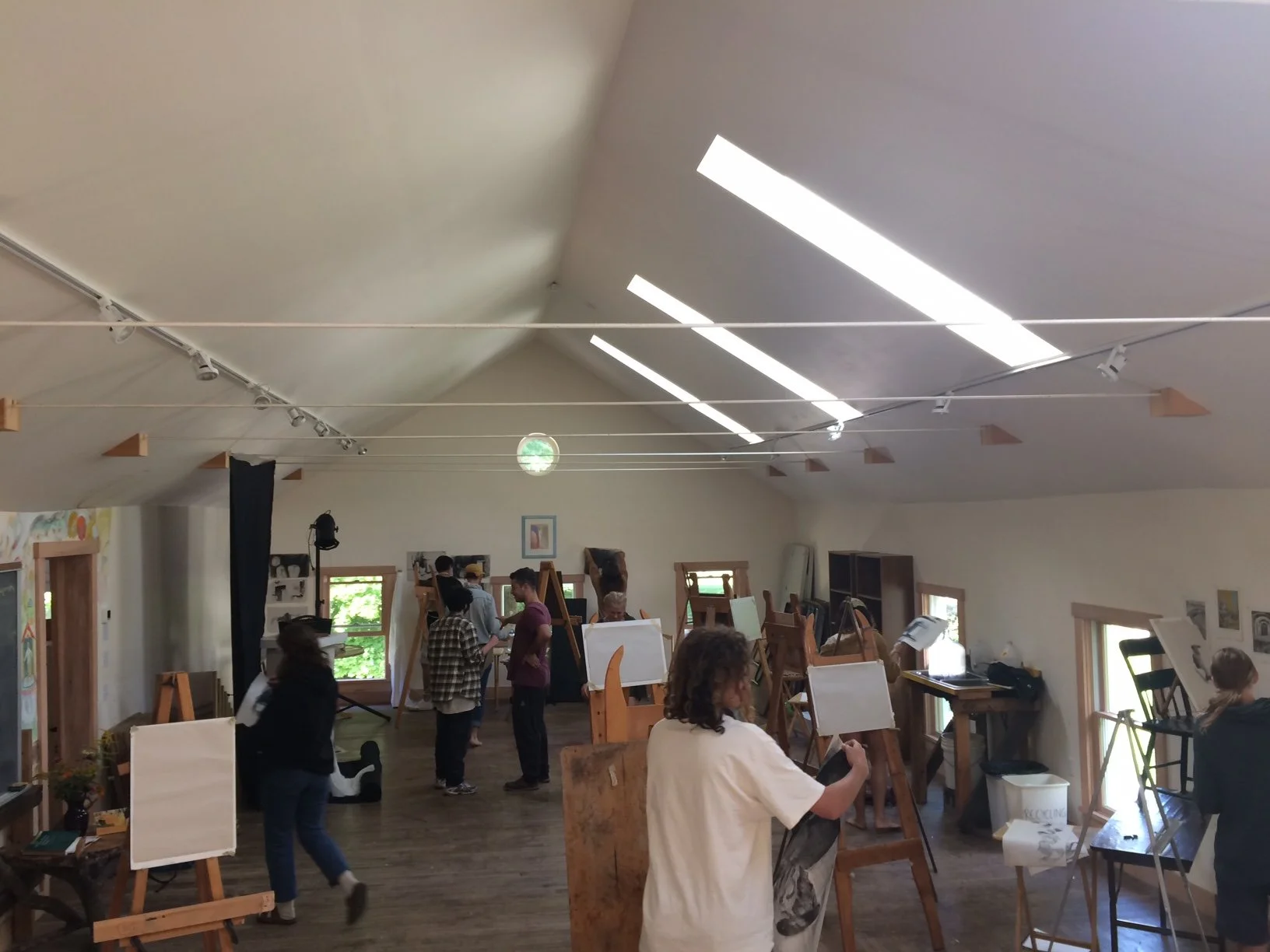
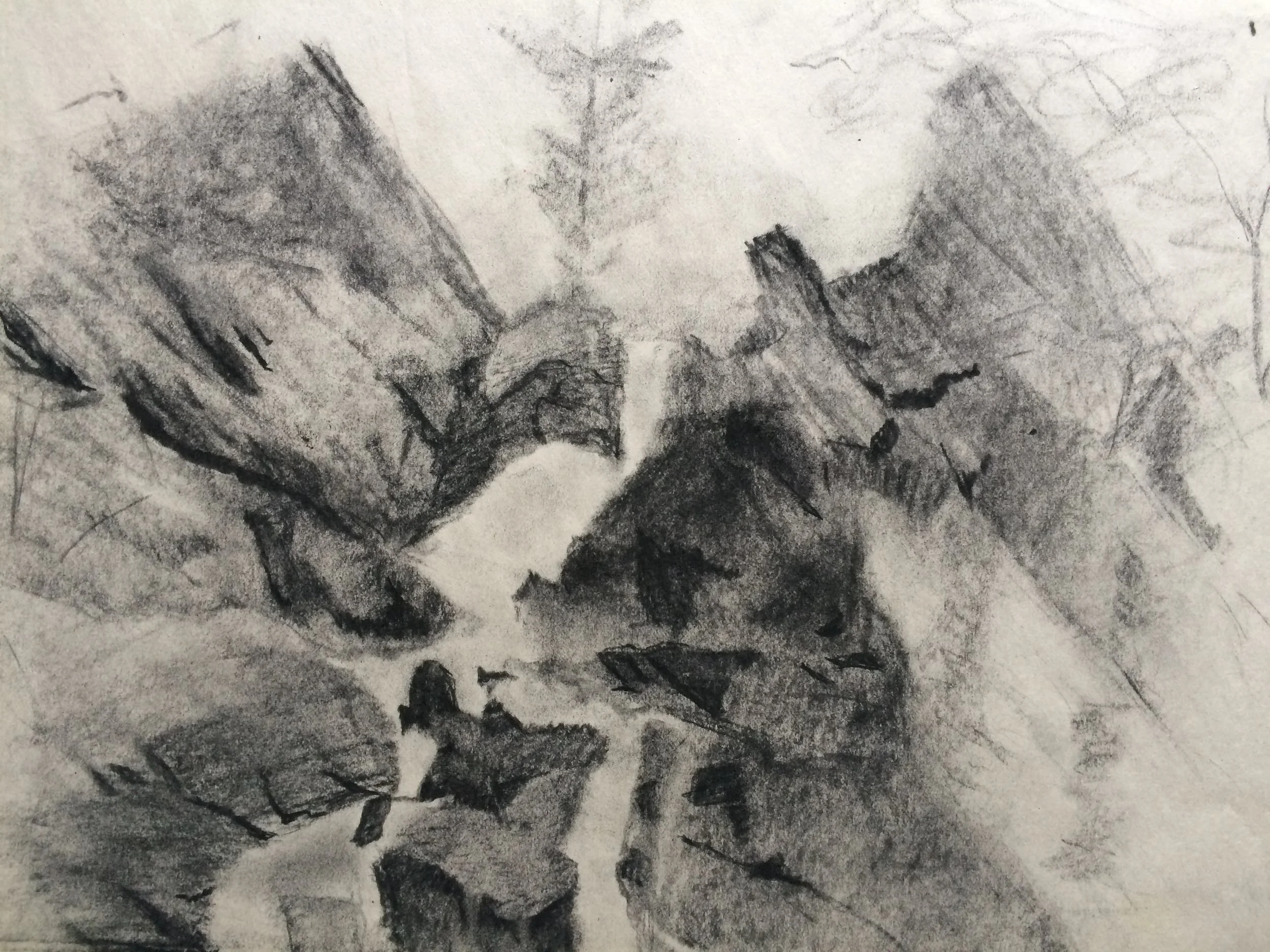
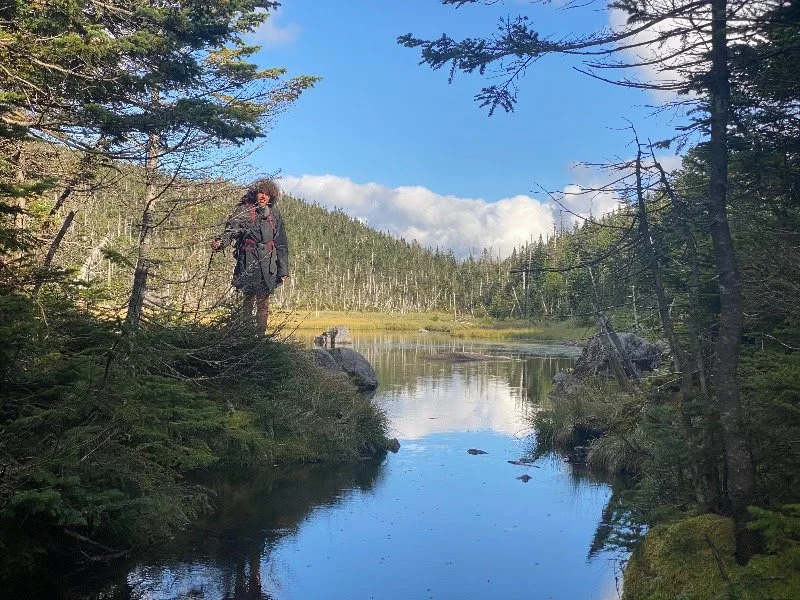
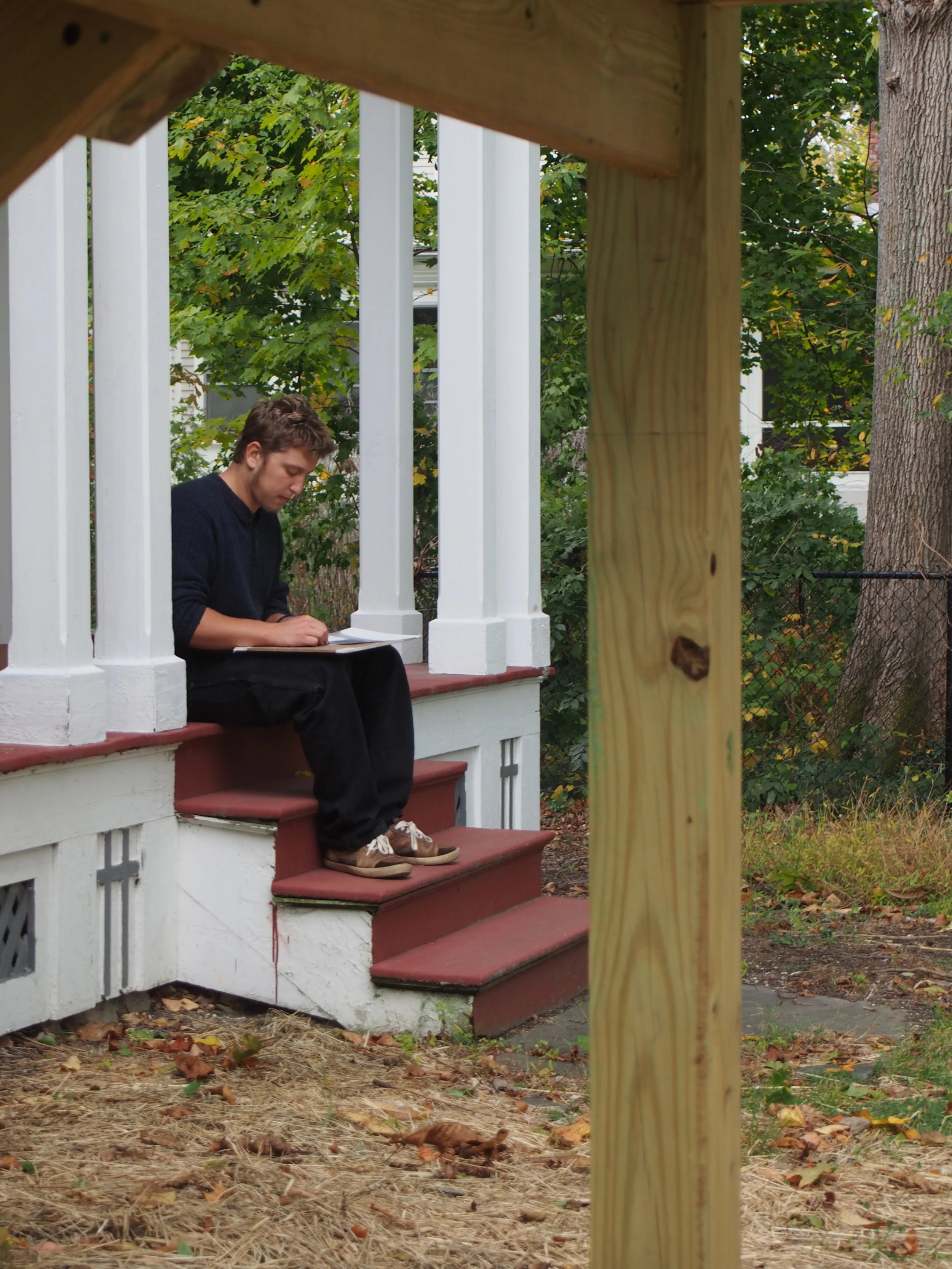
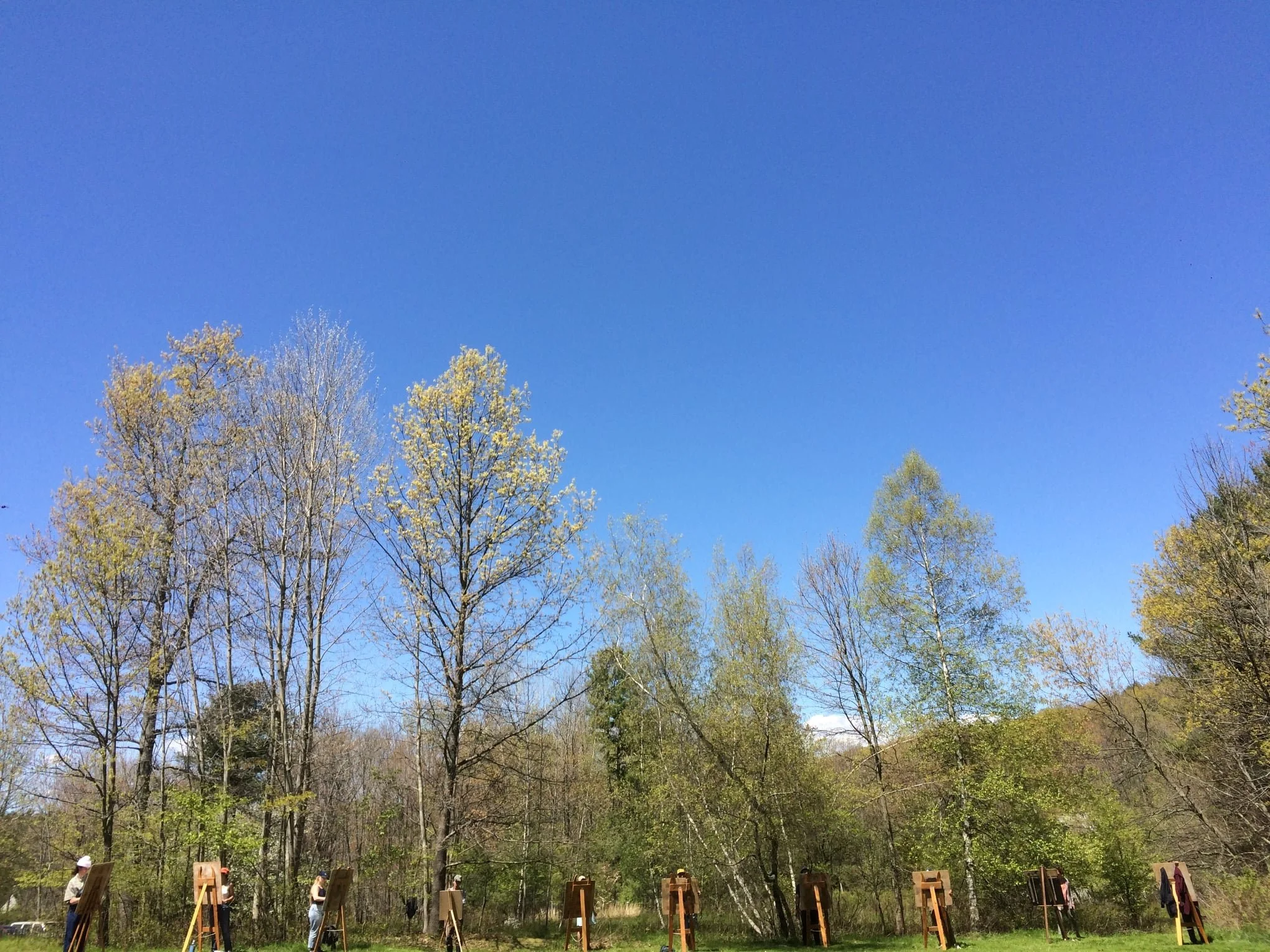
This opening course leads out into the area of the Hudson Valley, where the M.C. Richards Program is at home, and into impressionistic visual art. After working on basic drawing capacities in the art studio we set out into the environs to draw under the open sky. The approach to visual art here involves a spirituality of the senses, taking inspiration from artists like Emily Carr, Paul Cezanne and Charles Burchfield, and contemplations on perception from Rudolf Steiner and Merleau-Ponty. After local excursions to High Falls, Kaaterskill Falls, local farms and Olana we set out with our sketch pads and charcoal for a week in the high peaks region of the Adirondacks, where we ascend to the highest source of the Hudson River, Lake Tear in the Cloud.
Exploring the Qualities of Earth, Water, Air and Fire
with Henrike Holdrege
(September 13-24)
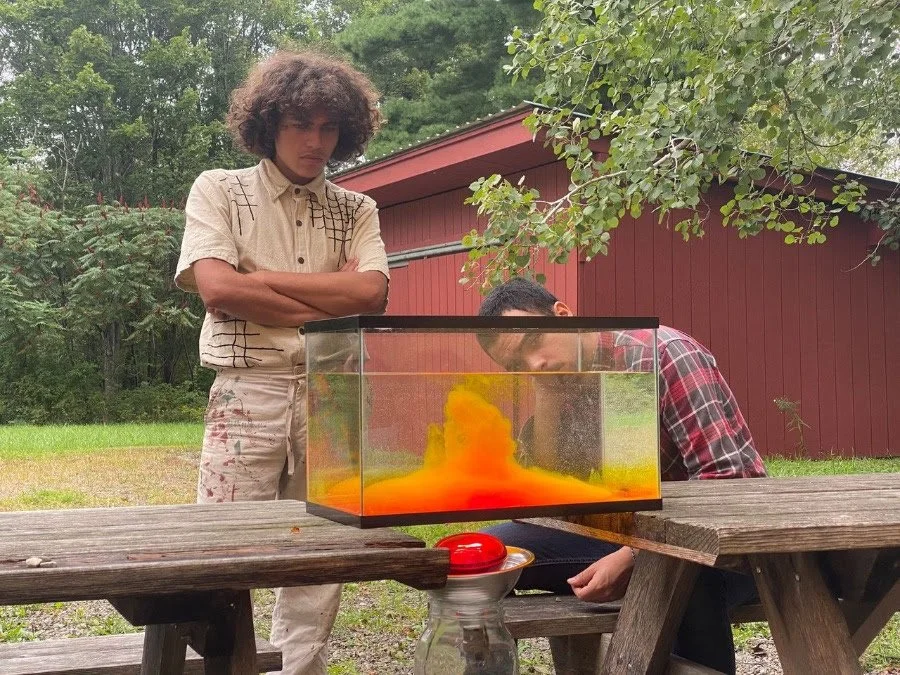
After sublime elemental experiences in the High Peaks, Henrike Holdrege leads this course in a qualitative, phenomenological approach to Earth, Water, Air and Fire. This course strengthens our capacities for careful and disciplined observation and reflection through engaging with a variety of experiences and experiments. One goal is to foster clear, concretely informed understanding of elemental phenomena through an enlivening of perception and the senses. With each experience those that have come before take on new significance and meaning, as does one’s connection to earth, water, air and fire.
A Dynamic Morphology of Life
with Craig Holdrege and Nathaniel Williams
(September 27- October 8)
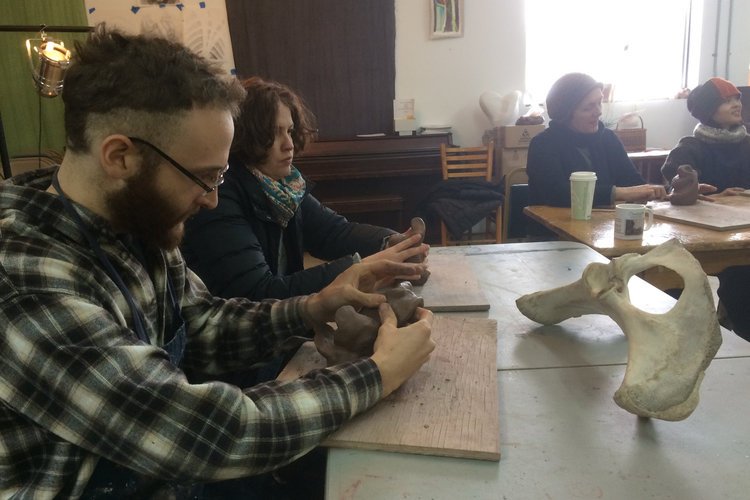
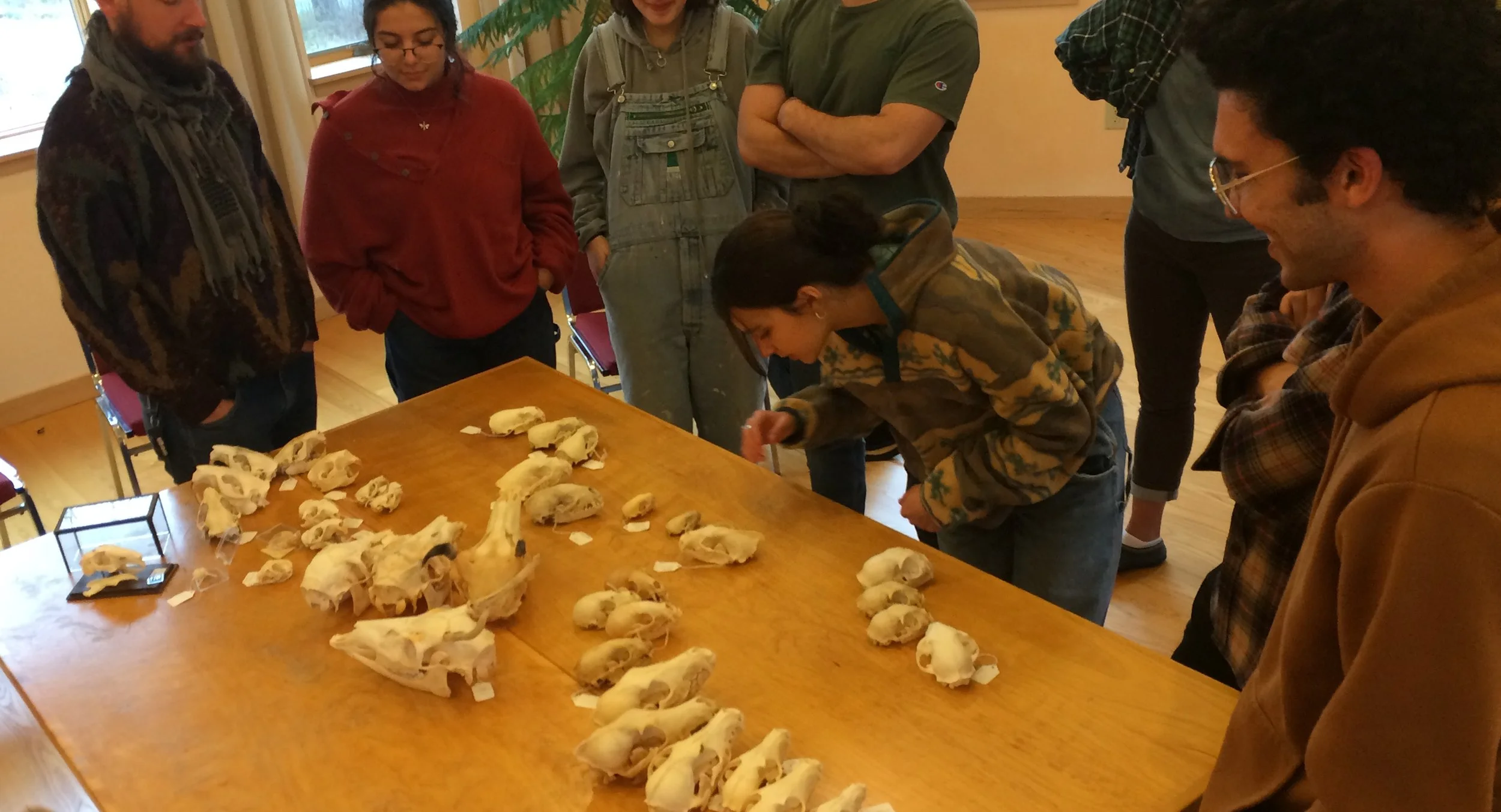
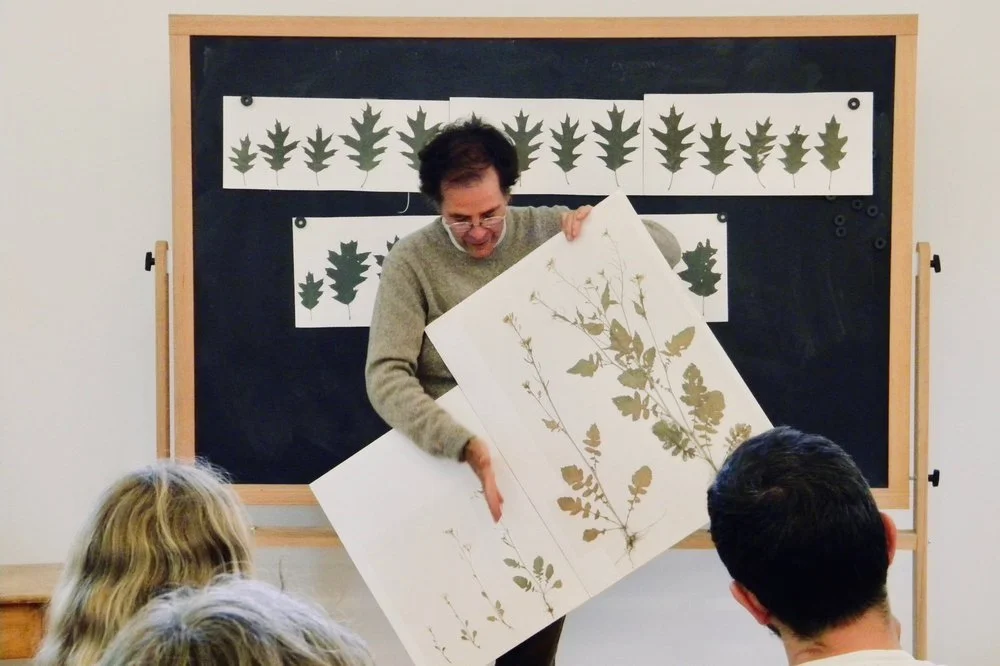
The culture of observation and understanding in all the classes with Craig and Henrike Holdrege, known as delicate empiricism, show how natural science can contribute to developing a sense based culture of knowledge. They are offered as exercises that help inform an independent research project of each student that spans the whole year. This class involves tending and growing experiences and understanding in relationship with living beings. It involves regular excursions to the herd of cows at the Hawthorne Valley biodynamic farm, visiting a place of one’s choosing for daily observation and practice on the grounds of the Nature Institute and the comparative observation of animal bones and plants. Sensitivity to form and transformation of form, so crucial in comparative morphology, is cultivated through daily sculpting with clay. After studying texts like “Doing Goethean Science” each member of the cohort chooses an area of research for the year, such as reflecting surfaces, the bark of the cherry tree or the watershed of the Agawamuck Creek.
Between Light and Darkness: Color as a window into the realm of quality, meaning and expression
with Laura Summer
(October 11- October 29)
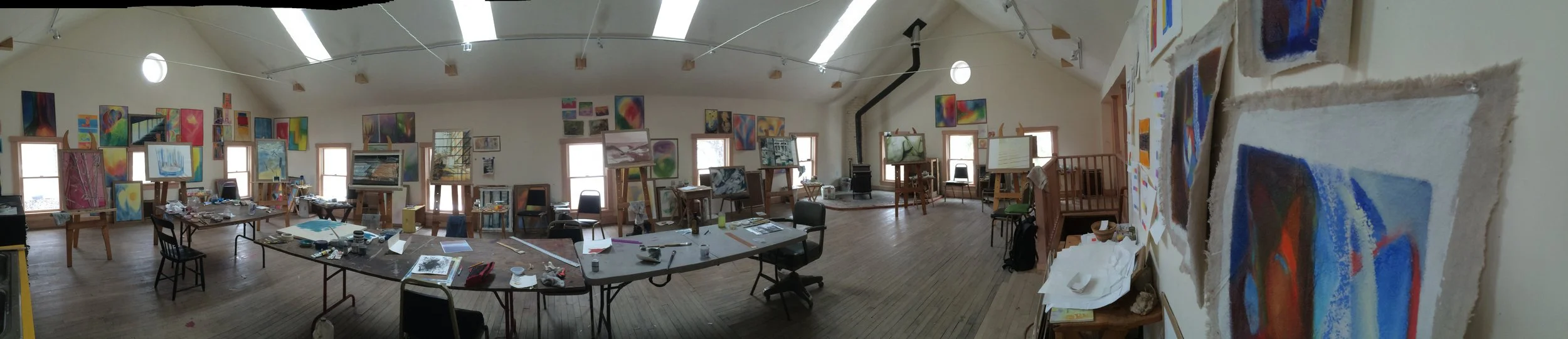
This course takes up practices of the spirituality of the senses from the first block and leads into the rich and moving world of color experience and dark and light drawing. The colors are explored through basic mixing exercises and attempts to articulate their moods, dynamics and relations. Color story compositions and poems are introduced as prompts for elementary visual compositions. Students develop familiarity with watercolor and collage among other mediums. Exercises in dark and light drawing and shading are also practiced everyday as a means to develop sensitivity for composition in the two-dimensional world.
Speech and Drama as Living Arts: Exploring the reality of imaginative experience, social understanding and developing capacities for empathy, resilience and compassion
with Seamus Maynard
(November 8 – December 10)
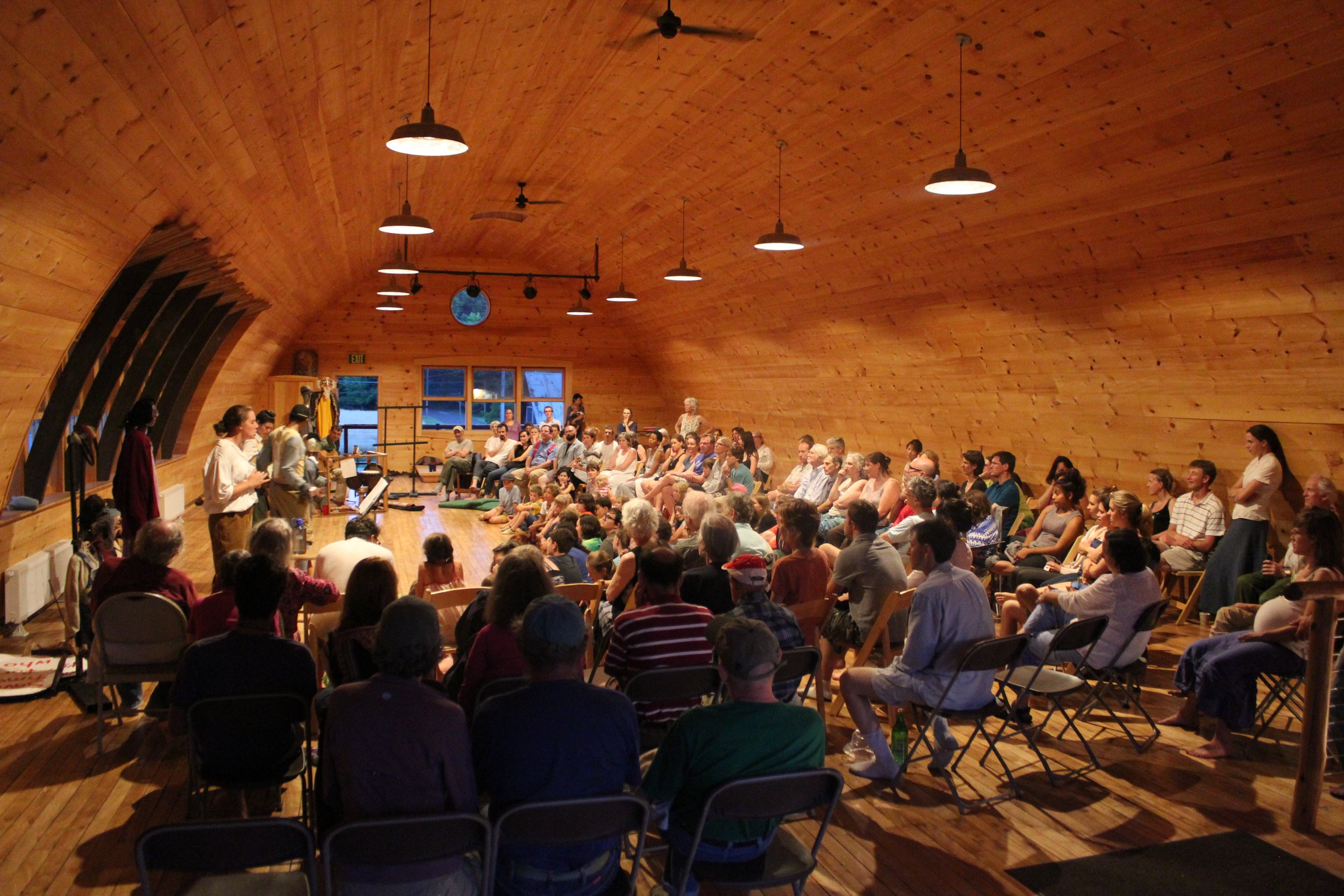
Work with the legend of Parzival and intensive work with the episodes The Sorceress & The Landgrave and Gabenis provide the main substance during these weeks. Entry is found through the exercises and teachings of Michael Chekhov and Rudolf Steiner’s indications for speech and drama. The form, the gesture, the movement of the body are themselves facets of the moods, meanings, morality and subtle dynamics of the piece. Likewise, the sound and shape of the spoken word, its music and rhythm provide the path to working with drama and literature in this course. This culminates in public sharing.
Taking Appearances Seriously – visual experience and the world of light darkness and color
with Henrike Holdrege and Ella Manor Lapointe
(January 10-28)
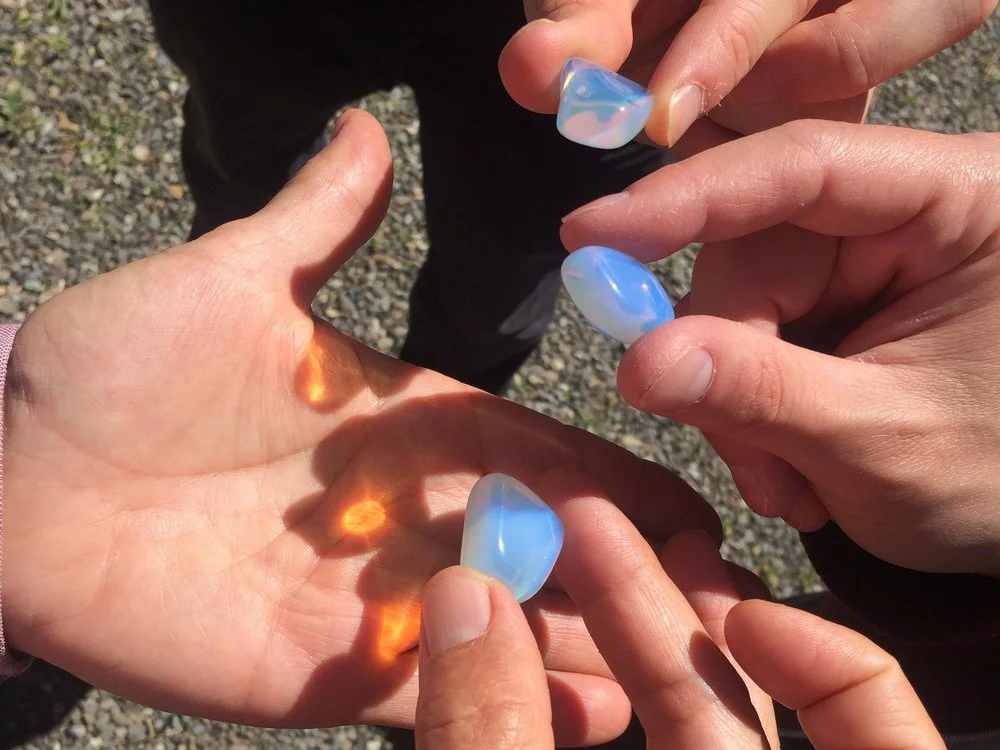
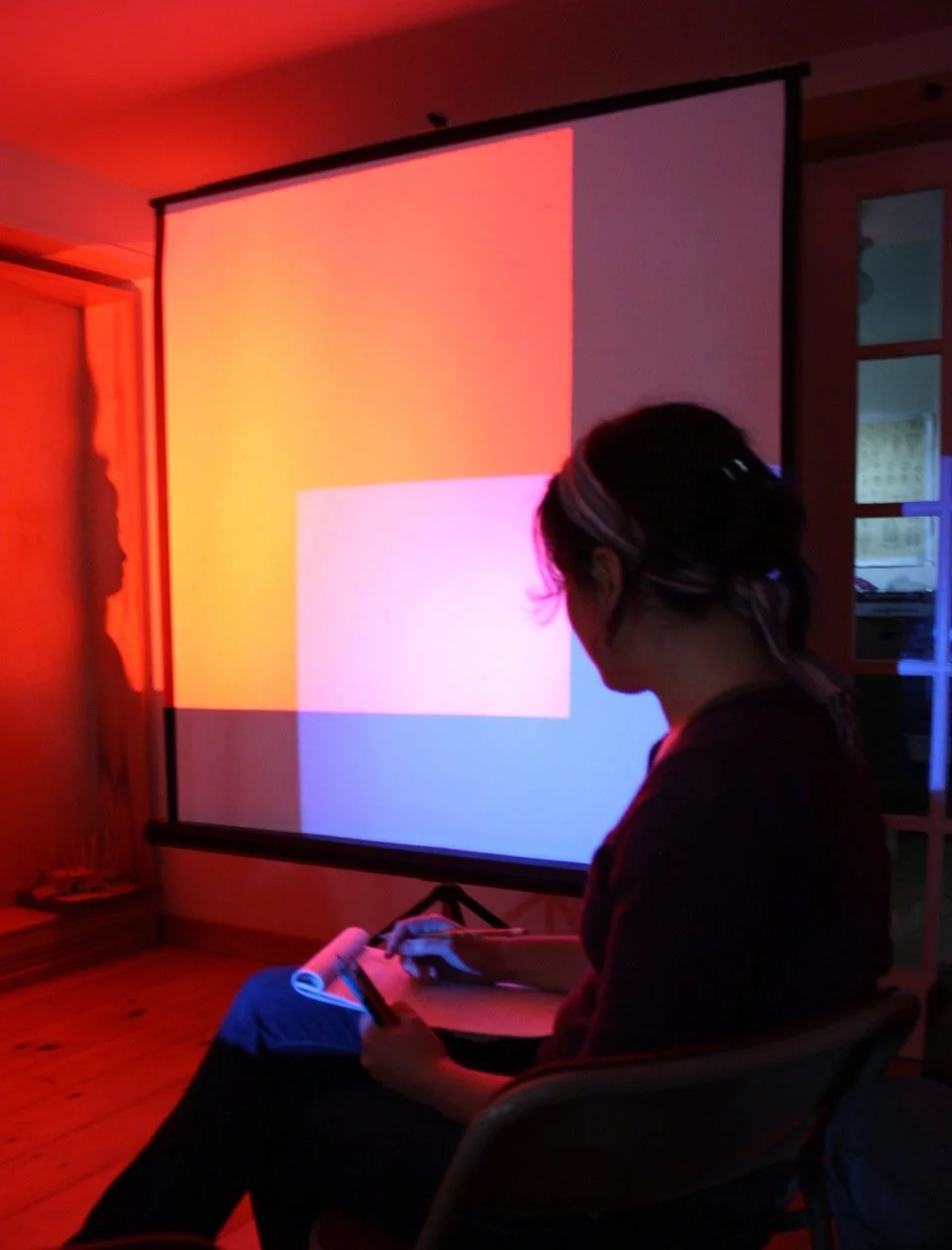
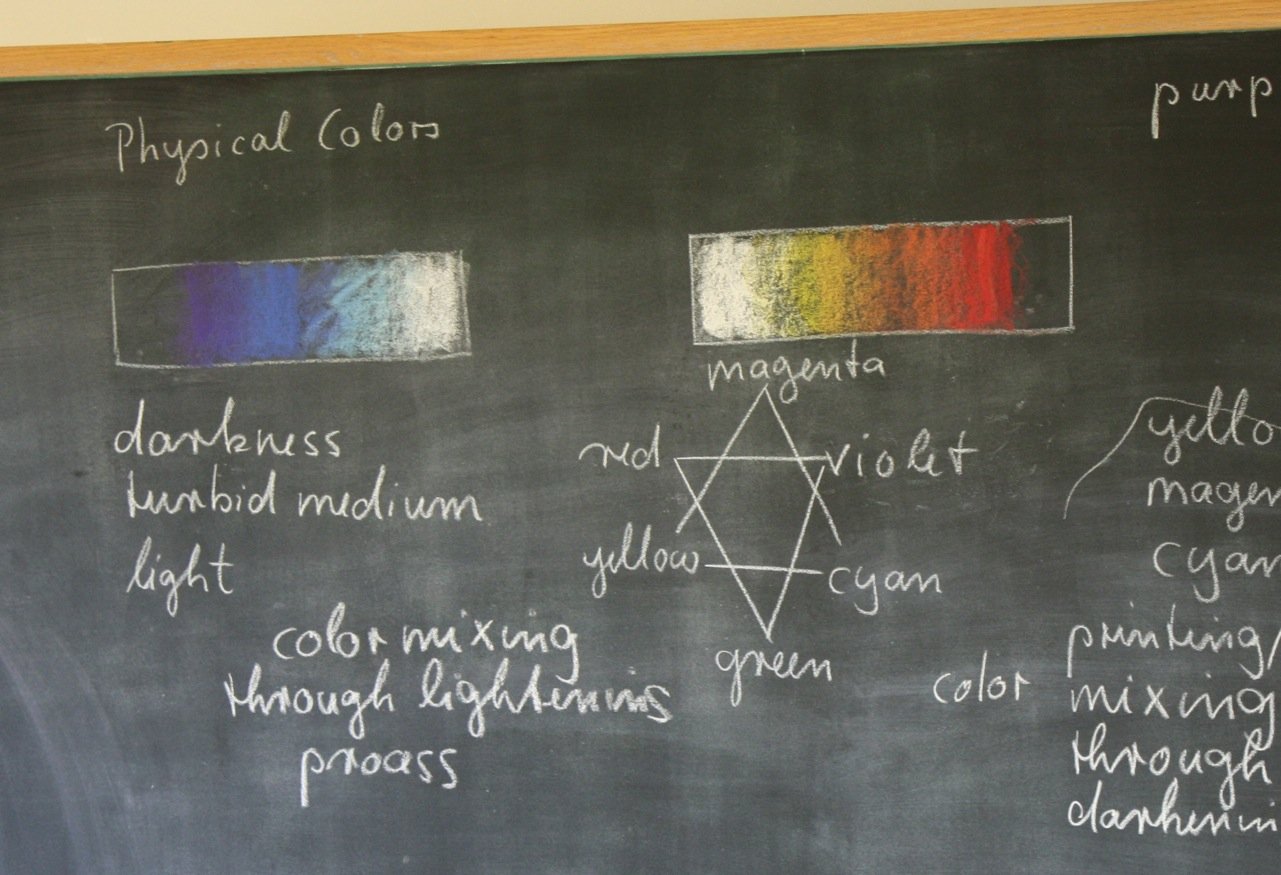
These weeks lead into optics, visual experience and color experiments, offering more opportunity to practice delicate empiricism. This includes excursions into the surroundings of the Nature Institute, observations of colors in the sky over banjo mountain at various times of day, a host of variations of prismatic colors that can be observed through varying conditions of light and darkness while observing through prisms, and work with turbidity, light and darkness through light projection, milk glass and turbid water. Experiences with reflecting surfaces, and their interplay with air and water, visual experiences of depth and perspective are explored in an effort to develop a living and contextual understanding of visual experience.
Masks, Costumes and the Anti-Rent Wars of the Hudson River Valley
with Nathaniel Williams and Arla Trusiewicz
(January 31 - February 25)
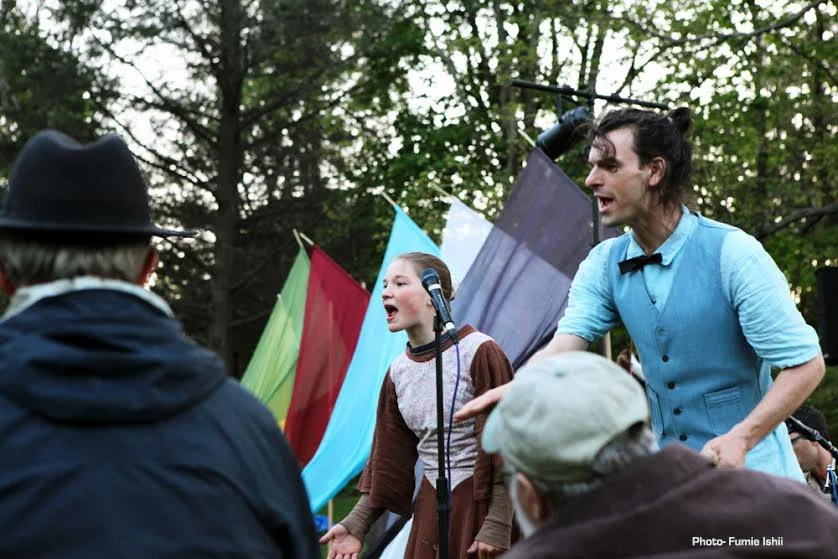
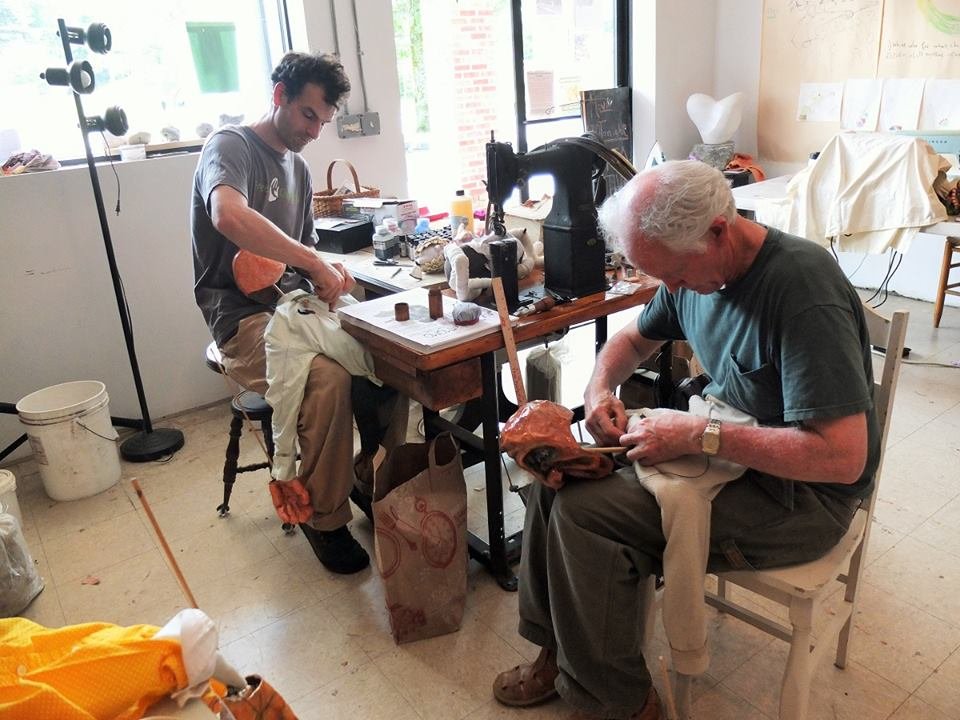
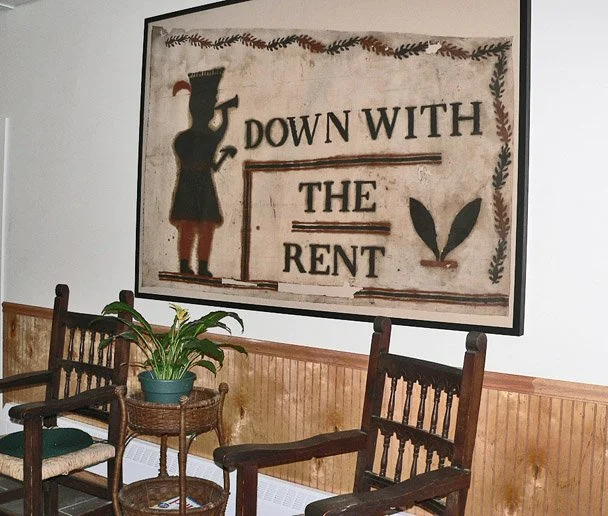
During February political history, sewing fabrics, building puppets come together. The Hudson Valley was home to the Anti-Rent Wars, and Dr. Boughton, or Big Thunder, during the 19th century. This course pursues a rich understanding of history, art and political ideals through texts and songs and excursions to old rent houses and mansions from the period. A significant part of this story involved protest through disguise, tenant farmers using calico outfits to protect their identity as rebelled against feudal lease laws. Through creating large puppets at a local sewing workshop with the signature cloth of the anti-rent movement and performing their story, students work with one method for developing lively connections to political history.
Technology as Mirror: Cultivating reflectivity and creativity in collaboration with hyper-logical systems
with Gareth Dicker and Nathaniel Williams
(March 7-18)
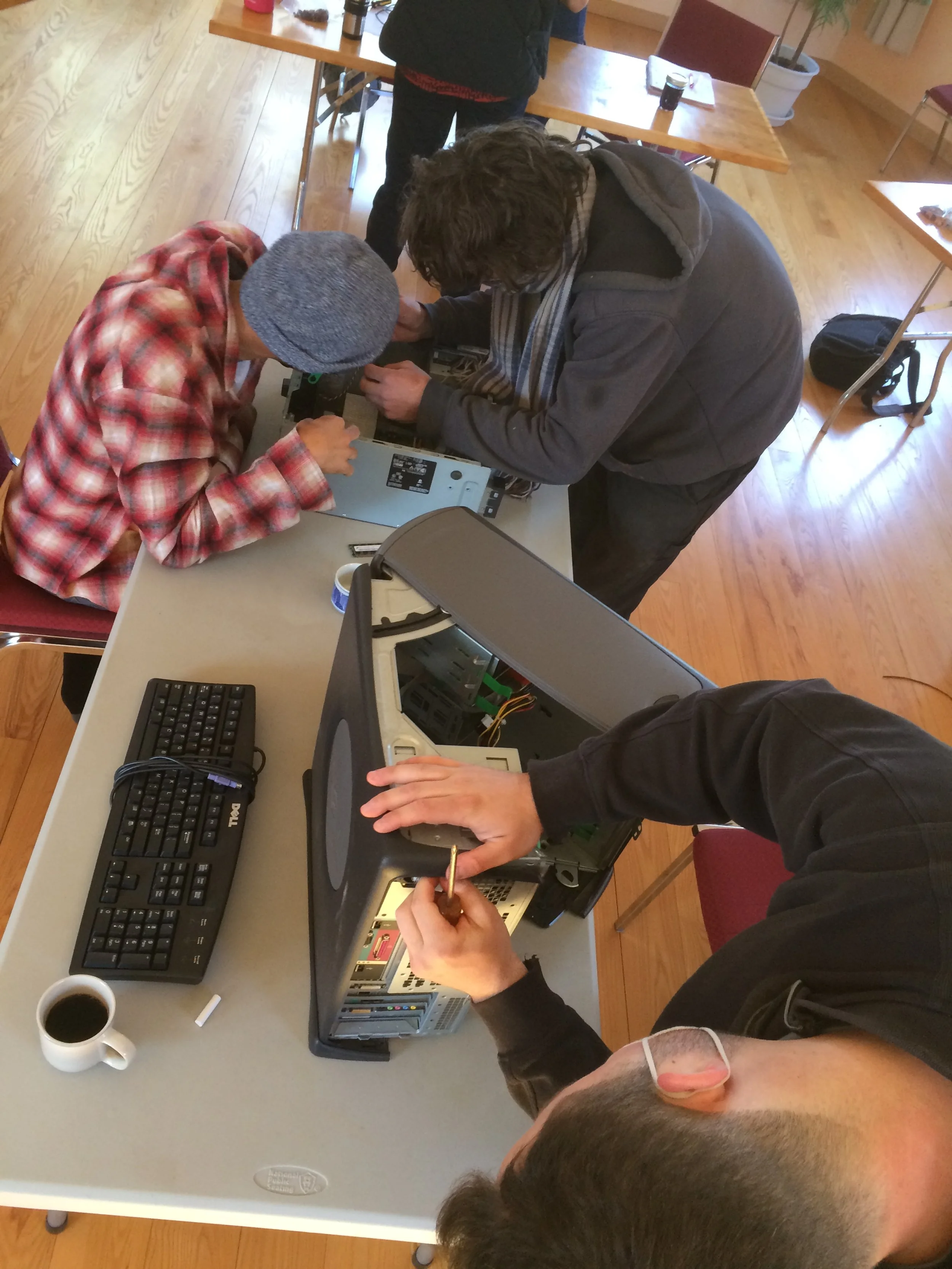
One of the most significant developments of our time is doubtless the digital revolution. This course is dedicated to an experiential and contemplative exploration of our relationship with digital technology. Our daily lives, which involves texting, phone calls, emails and spending time on a variety of websites, are situated as areas of discovery during these weeks. Basic observations from our own experiences and larger ethical, social and political issues related to the digital revolution make up the area of investigation.
Stitch-down Shoemaking and Leatherwork
with Nathaniel Williams
(March 21 - April 1)
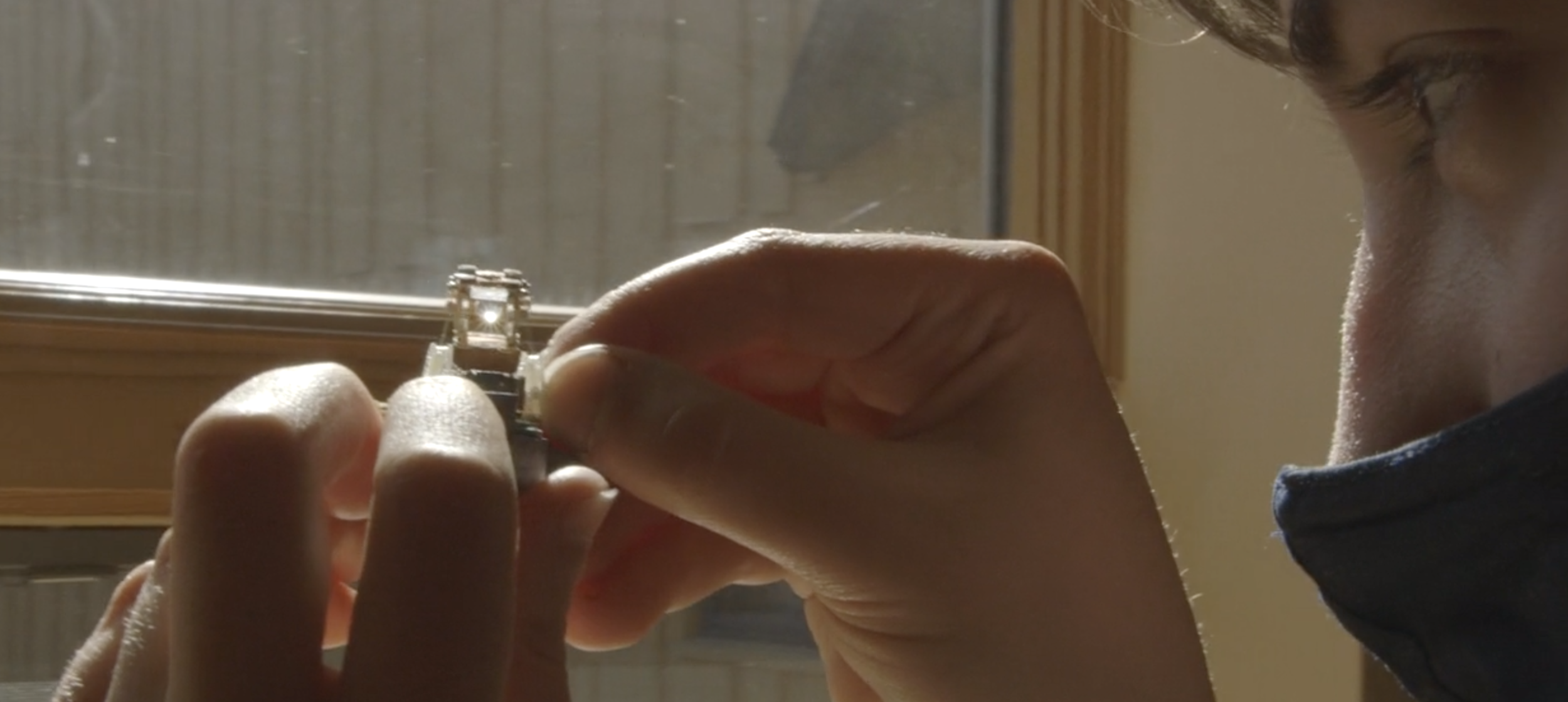
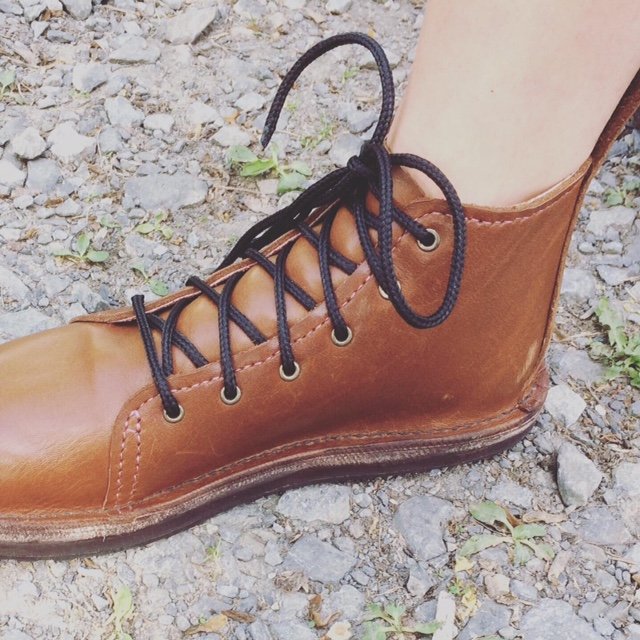
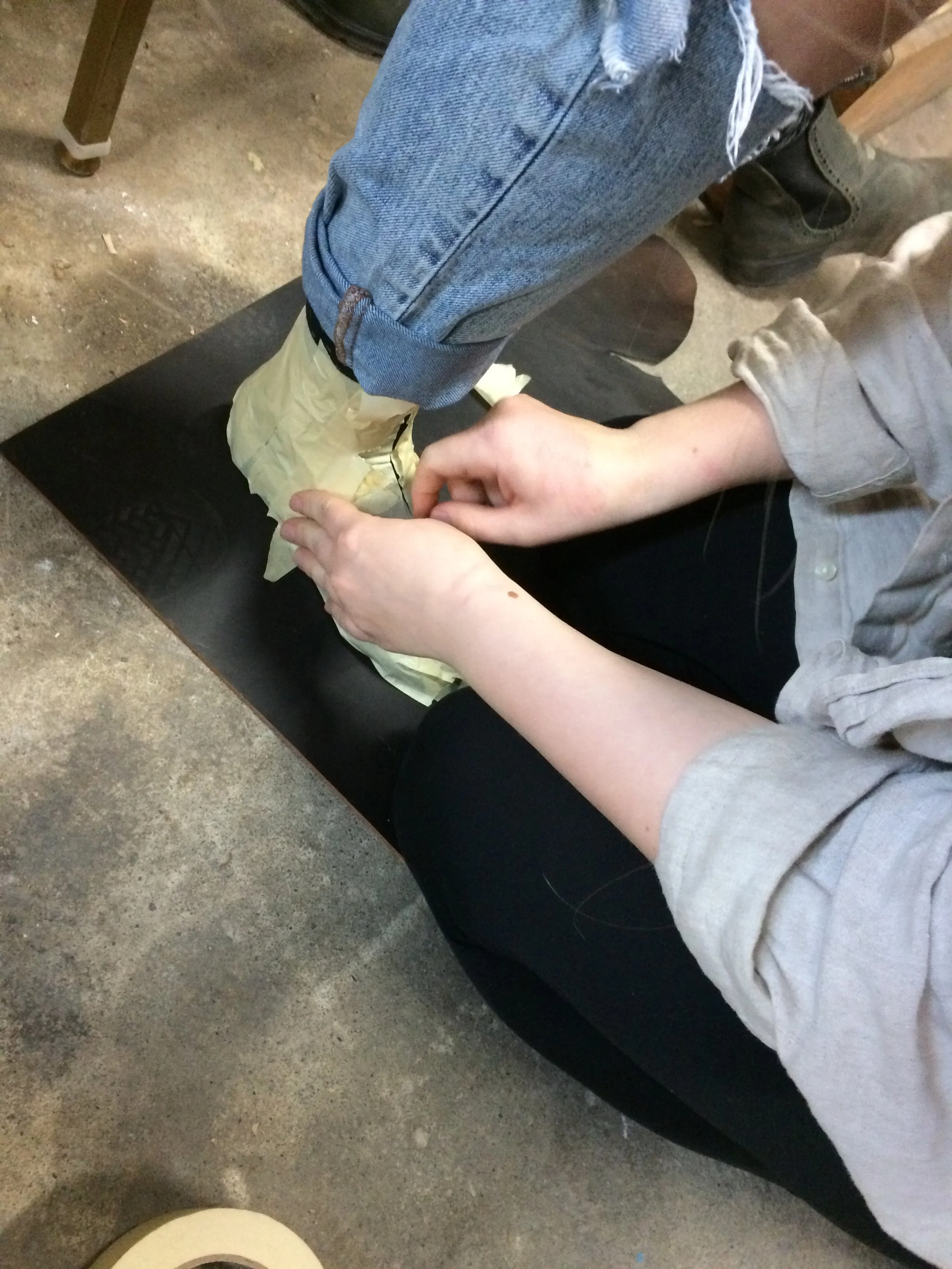
This is a hands on course where each person makes a pair of leather shoes for themselves. Measuring the foot, building the insole, creating custom patterns for each pair, marking and cutting out the leather, skiving seams, preparing surfaces for gluing and setting them, marking stitches, awling holes, learning the whip stitch for the heel, the saddle stitch for the uppers and the lock stich to connect the uppers and the midsole. Wet lasting is used to create a vegetable tan toe cap. The final steps involve setting the eyelets, setting crepe and the outer rubber sole and taking each shoe down the finishing wheel. Besides developing a tactile and sensorial connection to vegetable and chrome tanned leathers, fibers and sewing tools, this hands on introduction introduces a building style widely in use today in large shoemaking operations such as redwing shoes and boots.
The Languages of Nature: Writing and Reading within the Romantic Tradition from Keats and Goethe to the present
with Christina Root
(April 4 – 29)
This block explores the ways poetry reveals new aspects of the natural world by allowing each student to participate in the experiences of discovery that poems enact. It involves following poets outside into the spring countryside, and through journal writing and creating original poems, learning to embody natural phenomena and processes in language.
Learning from Plants -- Life in Transformation
with Craig Holdrege and Nathaniel Williams
(May 2 – 20)
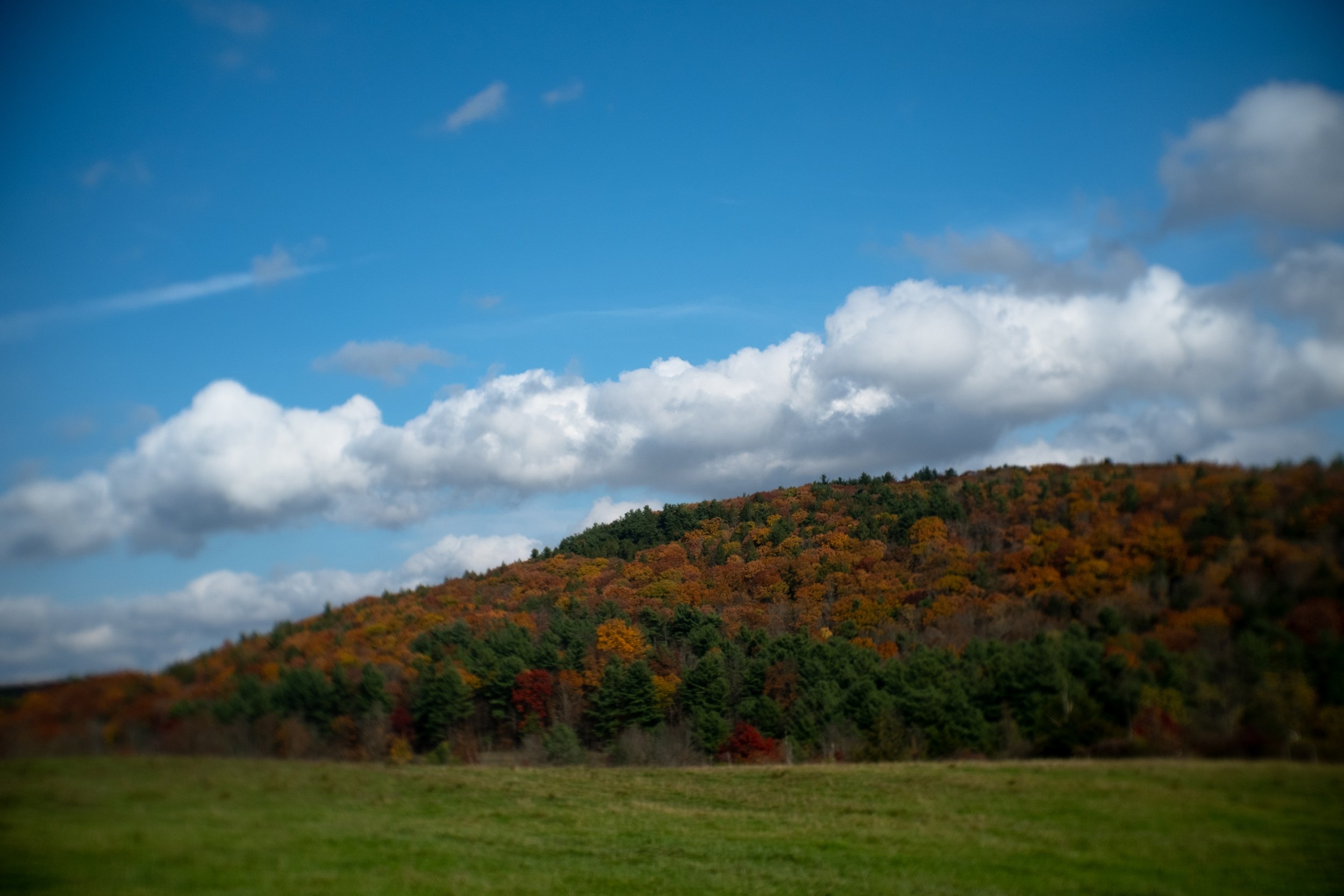
At this time of year in the Hudson Valley the eastern columbine, mayapple, bloodroot, dutchmen’s britches, apples, birches and many other plants emerge as leaf and flower. The last weeks of the program are spent in their company, exercising careful comparative morphological observations of plants in connection to the idea of metamorphosis. Besides careful observation, contemplative approaches to exact sensorial imagination and memory are also practiced. Excursions lead to Banjo Mountain, nearby wetlands and conservation areas. Drawing in the field returns, resonating with the first weeks of the program. During this course the independent research projects that students have taken up during the year are shared.
Afternoon Courses
Coming Home to Place
with Stefan Ambrose and Erin Corrigan
Afternoons throughout the year
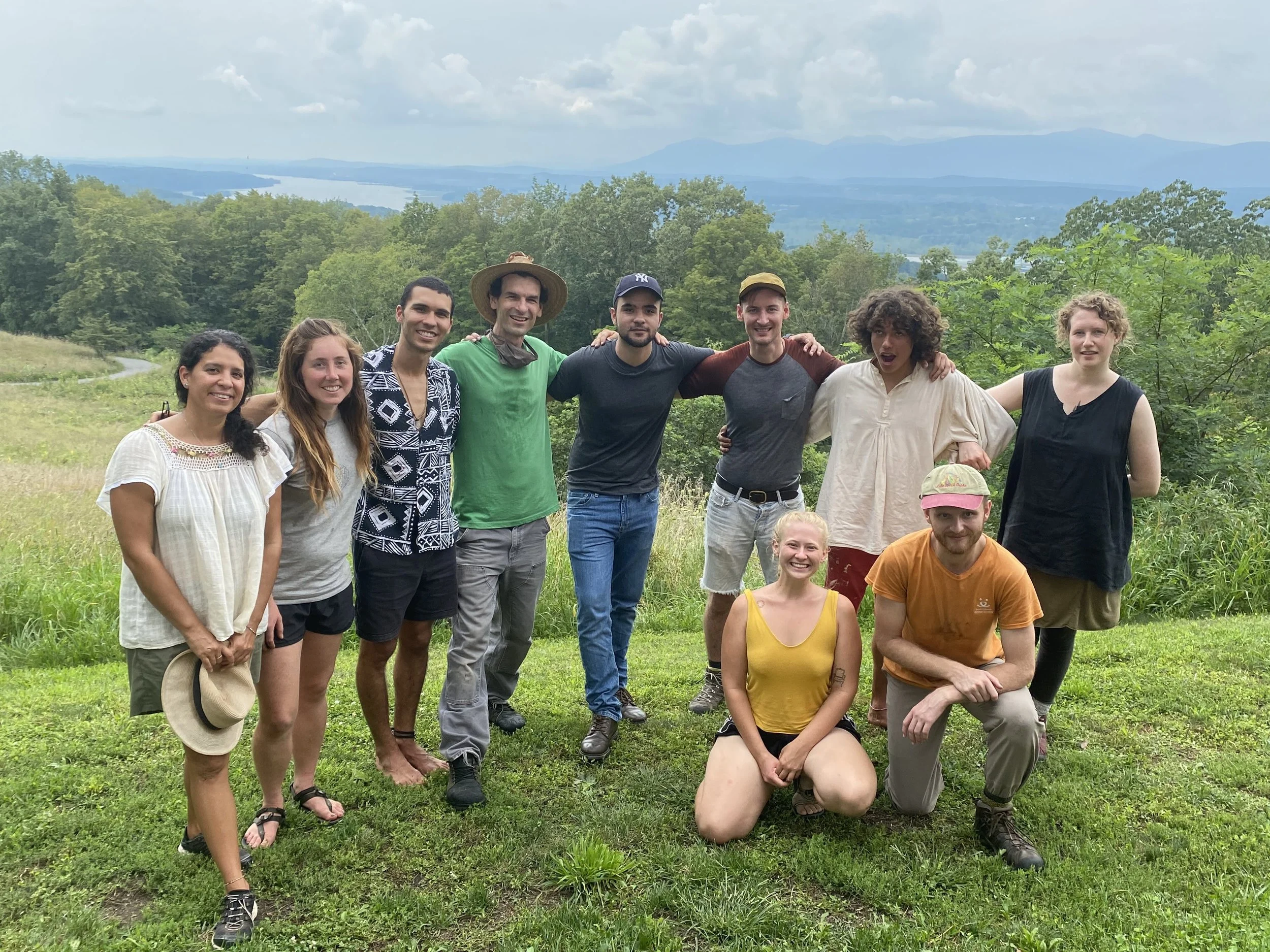
This arc of the program continues throughout the entire year aiming to deepen our relationship to the land and grow in our sense of community through land work and wilderness excursions.
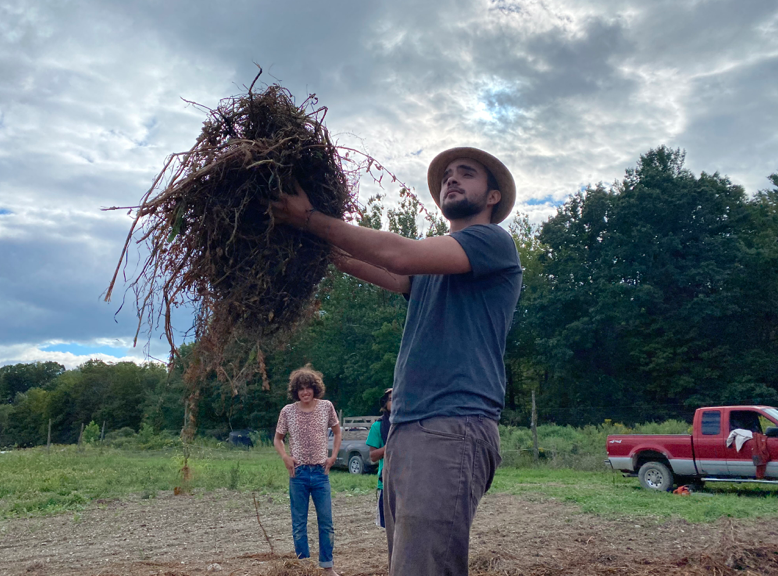
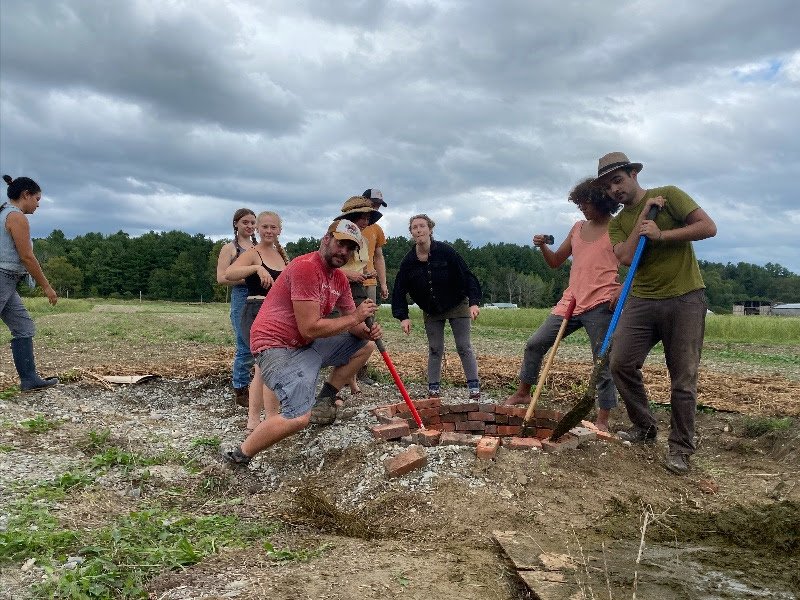
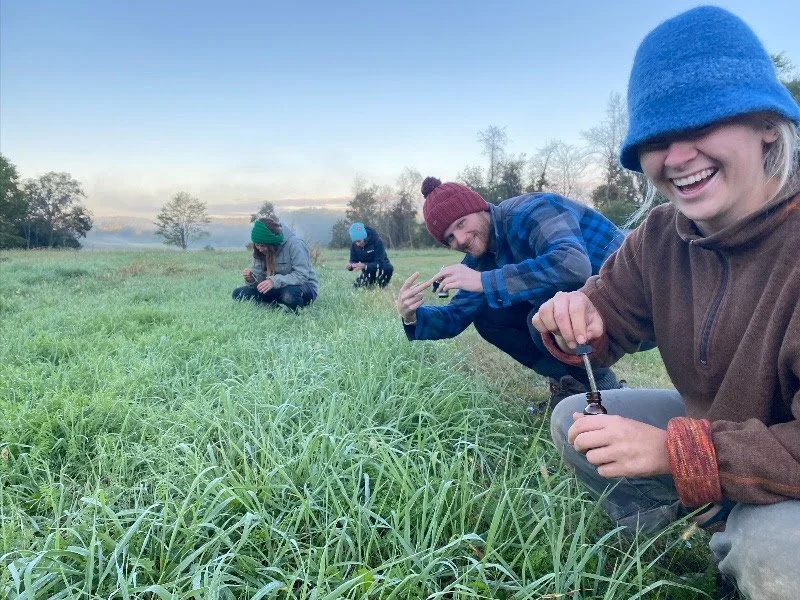
Three afternoons a week we get our hands dirty together remediating a community garden, starting a community compost initiative, and volunteering on nearby biodynamic farms. The tasks are oriented around the seasons. We plant late season crops, harvest, and prepare the land for winter in the fall. Our efforts help to feed our community members, ourselves through this year, and for the years to come. As the weather turns to winter we move into the greenhouse and the kitchen where we make ferments, transforming the abundance we’ve helped to grow. In the spring we join the world around us in sowing new life for the season, preparing garden beds, sowing seeds and planting young seedlings. Alongside all we do, we cultivate our inner landscapes as well, practicing conscious sensing and perception of land and place and sharing our experiences with one another.
Once a week, and several weekends throughout the year we go on excursions to meet the landscape we call home. We visit local waterfalls and conservation areas, paddle on the Hudson River, go camping in the Catskills, and hike to mountain top lookouts. Through drawing, poetry and writing, we contemplate, and give expression to that which we encounter.
Ceramics
with Mark Rowntree
Afternoons during the Winter Trimester
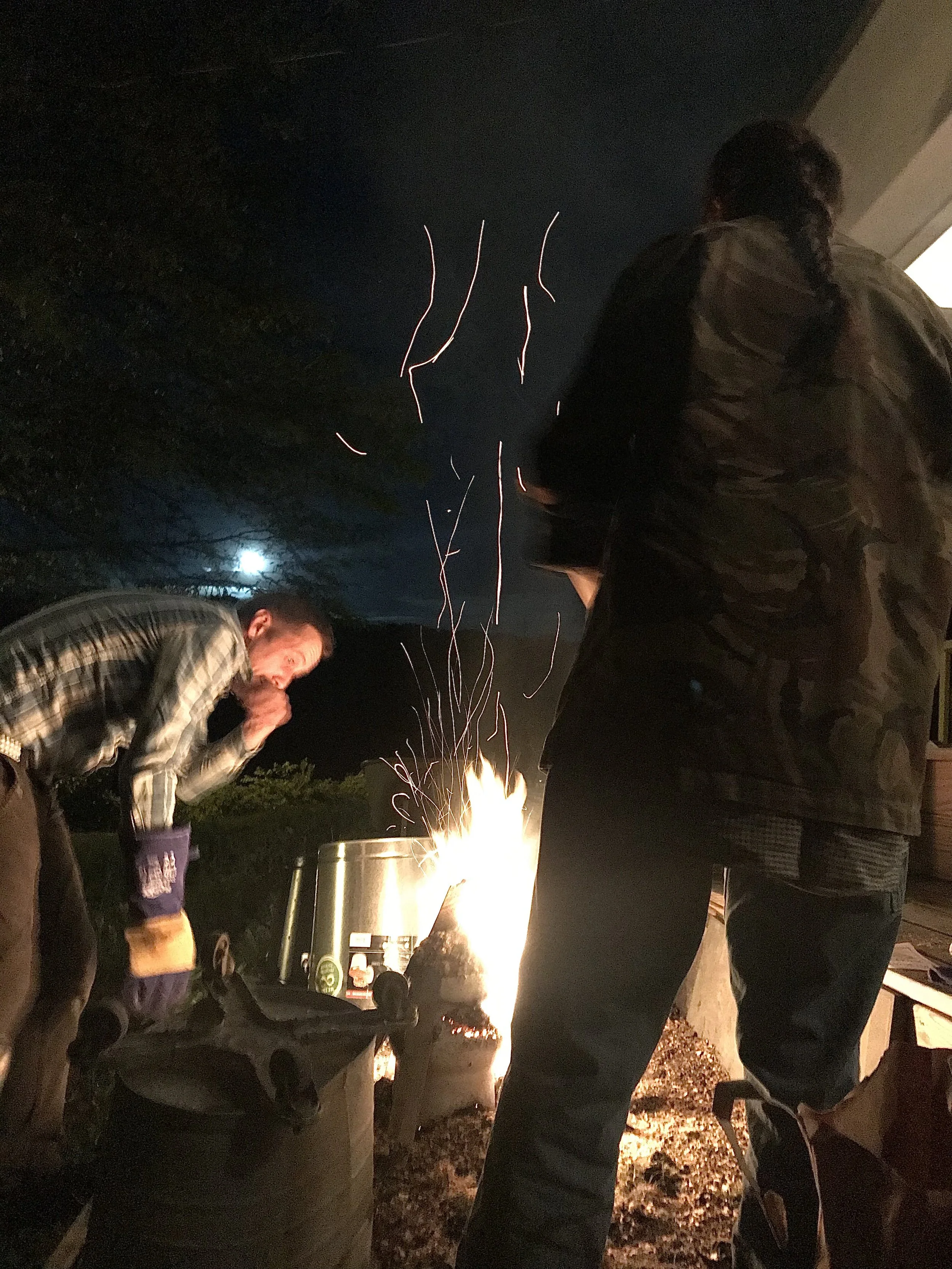
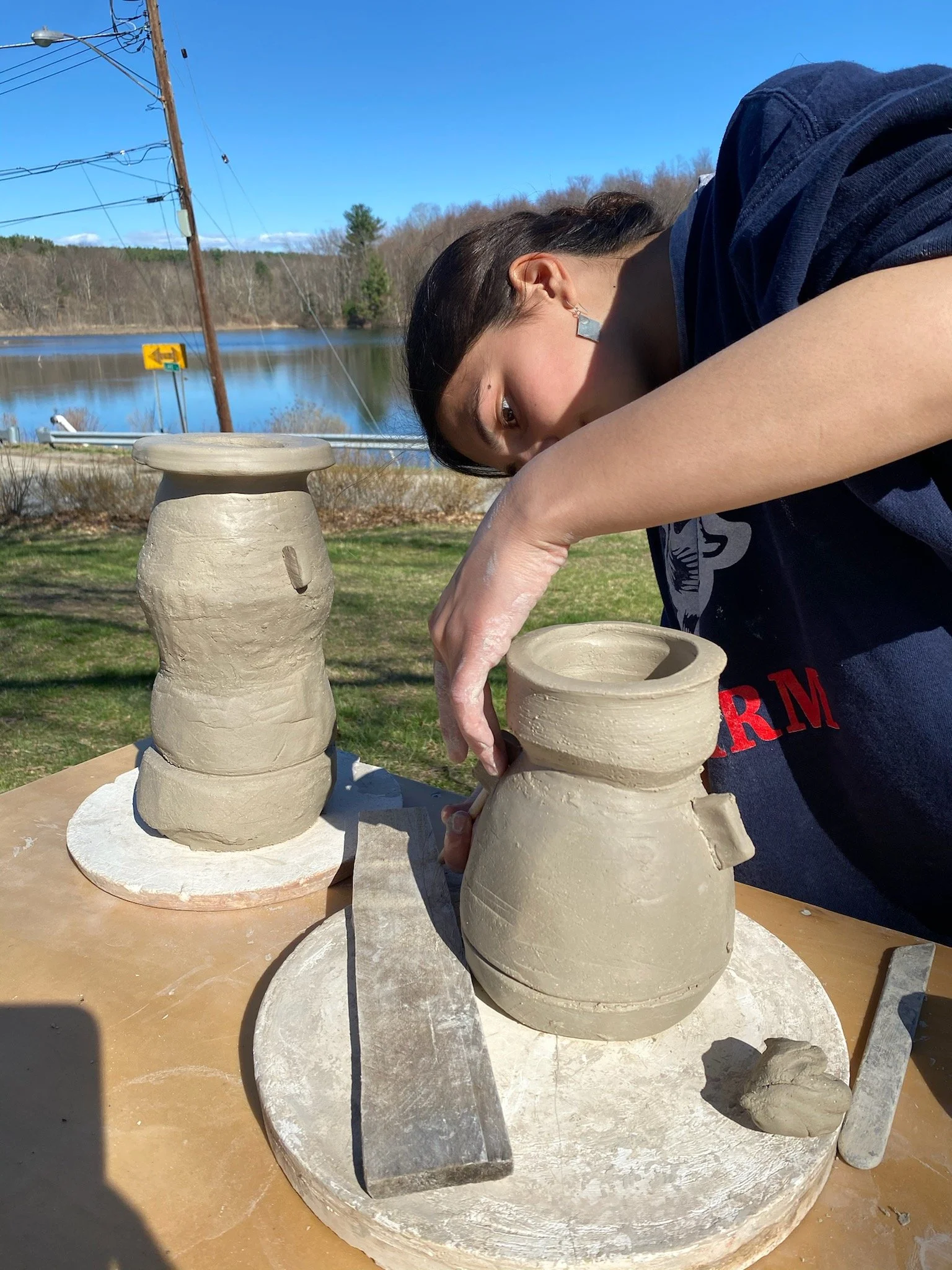
This course is a studio class dedicated to working with ceramics and clay. Through hand building and throwing on the wheel, glazing and firing, a variety of vessels and works are explored. Through the work a feeling for the character of clay, water, shape, movement and fire all emerge, as well as social questions connected to the craft of ceramics and excursions to local artist studios and residences throughout the winter.
Explorations in Psychology
with Abigail Dancey
This course takes place weekly in the afternoon. It involves announcements and check ins, studies and conversations of texts related to mental health and self-care by authors like James Hillman and Willem Zeylmans van Emmichoven and visits from therapists and counselors from the field.